Table of Contents

Introduction: The Social Reckoning movie 2026, The Legacy of The Social Network Meets Modern Reality
Back in 2010, David Fincher and Aaron Sorkin gave audiences The Social Reckoning movie 2026, a film that instantly became a standout. It brilliantly turned the creation of Facebook into a sharp, fast-moving story filled with ambition, rivalry, betrayal, and bruised egos, all beginning inside a Harvard dorm room. More than fifteen years later, however, social media has become far more powerful and complicated. It is no longer simply a place to connect with old friends or share relationship updates. Today, social platforms influence elections, shape what people see through algorithms, drive online culture, and play a major role in everyday life for billions.
Enter The Social Reckoning movie 2026, a new film that serves as a companion to the acclaimed 2010 movie. Rather than revisiting the chaotic beginnings of Silicon Valley and the creation of a technology empire, this story looks at what happens when that empire has already grown into something enormously powerful. The focus shifts from ambition and rivalry to responsibility, consequences, and the darker side of digital influence. If The Social Reckoning movie 2026 was mainly concerned with how Facebook came into existence, The Social Reckoning takes a much bigger question and puts it at the center: what price does society pay to keep this powerful system running?
From Dorm Rooms to Global Consequences
The shift from the youthful confidence of 2010 to the serious corporate scrutiny of 2026 is striking. In the earlier film, Mark Zuckerberg was presented as a brilliant but socially isolated programmer whose ambition and desire for recognition helped drive the creation of Facebook. The world around him felt smaller, focused largely on friendships, competition, and the explosive rise of a new technology. Today, however, the discussion has moved far beyond writing code in a college dorm. Social media companies face growing questions about digital addiction, the impact of internal research, user safety, data privacy, and confidential corporate practices protected by strict agreements.
The Social Reckoning movie 2026 asks viewers to take a closer look at the digital world they have become so comfortable using every day. Beneath the simple act of scrolling through a feed is a huge technological system designed to keep people engaged for as long as possible. The The Social Reckoning movie 2026 explores the growing tension between business goals and human well-being, suggesting that convenience often comes with consequences that users rarely see. The carefree optimism surrounding the early days of Web 2.0 has largely disappeared. In its place is a more complicated digital landscape, where privacy, addiction, influence, and corporate responsibility have become difficult issues to ignore.
Why a Follow-Up Movie Matters in 2026
You may be asking yourself whether audiences really need another movie about social media and the technology companies behind it. In 2026, the answer feels more relevant than ever. Technology has become deeply connected to almost every part of modern life, from the way people communicate and work to how they consume news and build relationships. Yet, despite this enormous influence, much of what happens inside the world’s biggest technology companies remains difficult for ordinary users to understand. Behind closed doors, decisions about algorithms, data, advertising, and user engagement can affect millions of people, making stories about Silicon Valley increasingly important.
By drawing inspiration from real events and controversies that have challenged Silicon Valley, The Social Reckoning movie 2026 turns complicated technology stories into something much more personal and engaging. Instead of presenting audiences with a collection of headlines, reports, and technical details, the The Social Reckoning movie 2026 explores the human consequences behind the digital systems people use every day. Its story brings questions about power, influence, privacy, and responsibility into a dramatic setting that is easier to connect with emotionally. As a result, the movie feels like more than simple entertainment for a few hours. It offers a timely examination of how modern technology has changed communication and society.
The Mind Behind the Script: Aaron Sorkin Returns
Sorkin as Writer and Director
Aaron Sorkin has established himself as one of Hollywood’s most recognizable screenwriters, particularly known for his fast-paced dialogue and sharp exchanges between characters. His work on The Social Reckoning movie 2026 and him an Academy Award for Best Adapted Screenplay and helped define the film’s distinctive style. With The Social Reckoning movie 2026, Sorkin takes on an even larger role by serving as both writer and director. This allows him to shape not only the story and dialogue but also the overall rhythm and tone of every scene. With complete creative control, Sorkin can bring his signature conversational style to the screen while giving the characters greater emotional depth.
Sorkin has a distinctive way of turning ordinary conversations into high-stakes encounters. His characters rarely have simple exchanges; instead, they challenge one another with quick responses, clever remarks, and carefully chosen words. The dialogue often moves at such a rapid pace that every conversation feels like a contest of intelligence and confidence. Under Sorkin’s direction, even a routine corporate meeting can feel as tense as a major confrontation, while an informal discussion over coffee can carry the suspense of a secret deal. This approach gives his stories an energetic rhythm and keeps viewers focused on every word, reaction, and shift in power between the characters.
Capturing High-Speed Walk-and-Talk Sensation
Few filmmakers have made the “walk-and-talk” sequence as recognizable as Aaron Sorkin. In The Social Reckoning movie 2026, viewers can expect plenty of fast-moving conversations that unfold while characters navigate busy offices, glass-walled corridors, and crowded workspaces. These scenes are likely to maintain Sorkin’s trademark energy, with people discussing complicated legal, technological, and corporate issues without slowing down. Late-night meetings could become especially intense as executives, lawyers, and technology experts debate difficult decisions under mounting pressure. Rather than relying on long pauses or unnecessary exposition, the film can use rapid dialogue and constant movement to create momentum while revealing important details about the The Social Reckoning movie 2026 story.
The The Social Reckoning movie 2026 fast pace helps ensure that complicated corporate conflicts never become dull or overly technical. Even when the story deals with difficult subjects such as internal investigations, company policies, or whistleblower allegations, the energetic dialogue keeps the narrative moving forward. Instead of presenting these issues like a dry business case study, the movie places viewers directly inside an increasingly tense corporate environment. Every conversation can carry new information, hidden motives, or unexpected pressure, making it difficult to look away. This constant sense of urgency also allows the audience to experience the fear and uncertainty that can surround employees who decide to reveal sensitive information.
Plot Summary: The Journey of Frances Haugen
Inside the Walls of Facebook
At the heart of The Social Reckoning movie 2026 is Frances Haugen, portrayed by Mikey Madison as a determined yet emotionally vulnerable young engineer. Frances begins her journey with a genuine belief that she can help improve Facebook and address some of the platform’s growing misinformation problems. However, her work gradually exposes her to information that challenges everything she thought she understood about the company. As she digs deeper, Frances discovers troubling details about how the platform operates and the difficult choices made behind closed doors. What starts as an effort to improve the technology slowly develops into a personal struggle between professional loyalty, moral responsibility, and the desire to reveal the truth.
As Frances continues investigating, she comes across a collection of internal documents that raises serious questions about the company’s knowledge of its platform’s potential risks. The material suggests that executives and researchers were aware that certain algorithms could contribute to harmful outcomes, including negative effects on teenagers and increased social and political tensions. What makes the discovery particularly disturbing is the suggestion that these concerns were not completely unknown within the organization. Instead, difficult decisions had to be made about how much action should be taken and what consequences those choices might have for the business. Frances is left questioning whether commercial priorities were being placed ahead of meaningful user protection.
Frances’ journey unfolds through a series of increasingly serious decisions. It begins with an internal realization as she understands the significance of what she has discovered. She then starts secretly copying important documents that could reveal what is happening inside the company. As the risks grow, Frances reaches out to a journalist, hoping the information can be investigated and brought into the public eye. What starts as a private discovery eventually develops into a global exposé, putting the company under intense scrutiny and forcing the public to confront difficult questions about technology, corporate responsibility, and the consequences of unchecked digital influence.
Teaming Up with Jeff Horwitz and The Wall Street Journal
Eventually, Frances comes to believe that making meaningful changes from within the company may not be possible. Faced with that realization, she takes a decision that could permanently change her life and career. Working quietly, she gathers and downloads thousands of pages of internal research and documents that she believes deserve public attention. Her next step is to contact Jeff Horwitz, played by Jeremy Allen White, an experienced investigative journalist at The Wall Street Journal. Sharing the material puts Frances in an extremely difficult position, as she must weigh the potential consequences for herself against what she believes the public needs to know about the company’s practices.
Frances and Jeff soon find themselves involved in a tense and carefully planned effort to examine and reveal the information she has gathered. Their collaboration becomes increasingly risky as they understand that sensitive company documents could attract unwanted attention if discovered. Every exchange carries the possibility of exposing Frances, putting her career and personal life under pressure. The film can build suspense around even the smallest moments, turning document transfers and private conversations into scenes filled with uncertainty. With the possibility of corporate monitoring hanging over them, Frances and Jeff must remain cautious while working to determine how the information can be verified and eventually brought before the public.
The Anatomy of a High-Stakes Tech Whistleblowing Operation
Taking on a powerful technology company as a whistleblower is far more complicated than simply sending a flash drive to a journalist. The Social Reckoning movie 2026 explores the careful process that follows when sensitive information reaches the media. The The Social Reckoning movie 2026 story gives viewers a closer look at how investigative reporting works behind the scenes, from checking documents and confirming sources to protecting confidential information and assessing potential legal risks. Journalists cannot simply publish every claim they receive; they must establish what can be verified and determine whether the evidence supports the story. This process adds another layer of tension as Frances and Jeff work toward exposing information with potentially worldwide consequences.
The The Social Reckoning movie 2026 highlights several difficult stages involved in handling sensitive information from an insider. First, journalists must carefully verify the documents by comparing the company’s internal claims with independent research and outside data. They also have to consider the legal risks involved, particularly when confidentiality agreements and corporate lawyers could become serious obstacles. Secure communication becomes another important concern, as Frances and Jeff need to protect their conversations and sensitive files from unwanted access. Most importantly, protecting the whistleblower remains a priority throughout the investigation. Before any major story is published, the journalists must consider Frances’ safety and ensure that the evidence is strong enough to withstand public and legal scrutiny.
Star-Studded Cast & Character Breakdown
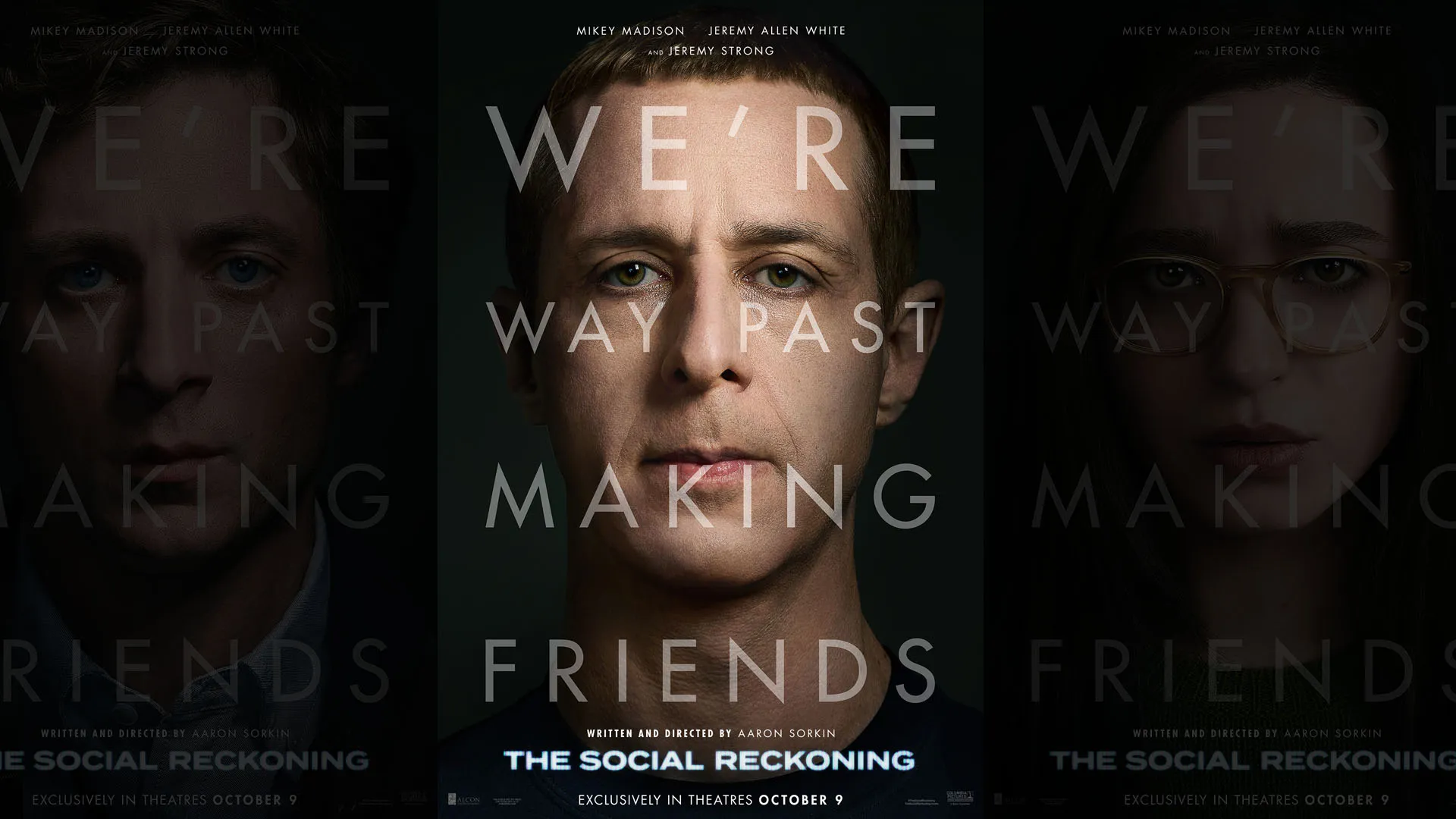
At the center of The Social Reckoning movie 2026 is an ensemble cast led by Mikey Madison, Jeremy Allen White, and Betty Gilpin. Madison plays Frances Haugen, the engineer whose discoveries inside the company set the story in motion. Jeremy Allen White portrays Jeff Horwitz, the investigative journalist who works with Frances to examine and verify the information she provides. Betty Gilpin plays Kris, another important character who becomes connected to the unfolding investigation. Together, the three performers form the core of The Social Reckoning movie 2026 human story, bringing different perspectives to a narrative focused on whistleblowing, investigative journalism, corporate power, and the consequences of exposing sensitive information.

Mikey Madison as Frances Haugen
Building on her recent critical recognition, Mikey Madison takes on a challenging role as Frances Haugen in The Social Reckoning movie 2026. Instead of portraying Frances as an unstoppable hero who never doubts herself, Madison brings a more realistic sense of vulnerability to the character. Frances is shown as a talented engineer who becomes increasingly troubled by what she discovers within the company. As the situation develops, she must deal with fear, uncertainty, and the personal consequences of challenging a powerful organization. Madison’s performance highlights the emotional burden of whistleblowing, showing how difficult it can be to remain committed to your principles when your career, reputation, and future are placed under intense pressure.
Jeremy Allen White as Reporter Jeff Horwitz
Jeremy Allen White takes on the role of investigative journalist Jeff Horwitz, bringing a focused and serious presence to the character. Horwitz is portrayed as an experienced reporter with a strong instinct for finding the truth, but his work also requires him to think carefully about the risks faced by his source. He must balance the demands of a major investigation with the responsibility of protecting Frances and handling sensitive information responsibly. The relationship between Horwitz and Frances becomes an important part of The Social Reckoning movie 2026 story, giving the film an emotional dimension beyond its corporate and technological themes. Their growing trust helps drive the investigation forward.
Betty Gilpin, Bill Burr, and Supporting Performances
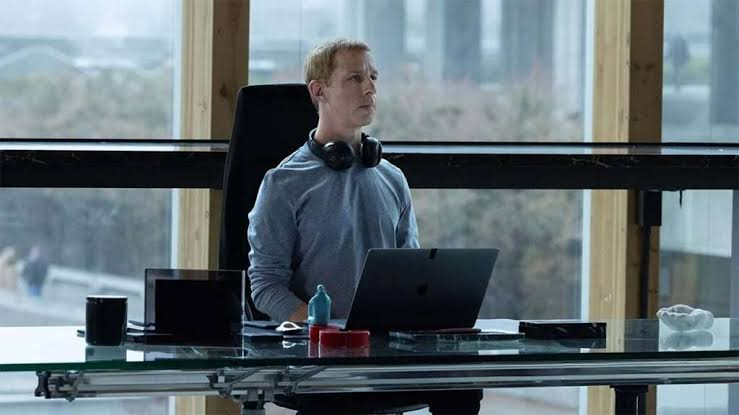
The supporting cast adds further depth to The Social Reckoning movie 2026, with several well-known performers taking on important roles. Betty Gilpin plays Kris, bringing a confident and controlled presence to a character caught in the intense political and media consequences surrounding the investigation. Bill Burr appears as corporate counsel, adding a practical and direct personality while representing the legal challenges facing the company. Jeremy Strong also appears as Mark Zuckerberg, portraying the technology executive as a powerful figure increasingly separated from the world around him. Together, these performances broaden The Social Reckoning movie 2026 perspective and add different layers to its story of corporate influence, journalism, and accountability.
Production Insights and Technical Specifications
Filming in San Francisco and Visual Aesthetic
Filmed on location in San Francisco, California, The Social Reckoning movie 2026 uses the city’s distinctive surroundings to strengthen the atmosphere of The Social Reckoning movie 2026 story. The polished world of Silicon Valley is presented through bright offices, modern glass buildings, and carefully designed technology campuses. In contrast, the film also explores darker streets, nighttime settings, and fog-covered parts of the city, creating a noticeable visual difference between the two worlds. This contrast reflects the central themes of the story, where public claims of openness exist alongside private decisions and confidential operations. The visual style helps reinforce the growing tension between corporate image, technology, secrecy, and accountability.
Technical Details: Runtime, Aspect Ratio, and Audio Mixing
For movie fans and technology enthusiasts, The Social Reckoning movie 2026 pays close attention to its technical presentation. The film has a reported runtime of 1 hour and 52 minutes, or 112 minutes, giving the story enough room to build suspense without becoming unnecessarily long. Its visual style uses rich and realistic color grading to maintain a grounded, urgent atmosphere throughout The Social Reckoning movie 2026 narrative. The sound is presented in Dolby Surround 5.1, creating a noticeable contrast between quiet private conversations and the energetic background noise of busy newsrooms. The movie is also presented in a cinematic 2.39:1 widescreen format, allowing it to capture both expansive city views and intimate close-up moments.
Why The Social Reckoning Is a Must-Watch Cinema Event
Ultimately, The Social Reckoning movie 2026 presents itself as more than a simple retelling of events from the technology industry. It works as a warning about the growing influence of algorithms and the difficult choices that come with living in a digitally connected world. Rather than providing simple solutions or a perfectly satisfying ending, Aaron Sorkin’s story focuses on the personal and social consequences of technological power. It encourages viewers to think more carefully about the platforms they use every day and the systems operating behind their screens. When companies depend on capturing people’s attention, the film asks an important question: what happens when engagement becomes more valuable than people’s well-being?
Conclusion: Truth, Power, and Tech Accountability
The Social Reckoning movie 2026 aims to offer more than another technology-focused drama, combining sharp writing, confident direction, and strong performances from Mikey Madison and Jeremy Allen White. At the center of the story is the difficult choice to speak out when powerful institutions are involved and the personal consequences can be enormous. The The Social Reckoning movie 2026 uses its characters and investigative storyline to explore questions surrounding technology, corporate responsibility, journalism, and individual courage. With its focus on the people behind the headlines, The Social Reckoning movie 2026 could give audiences plenty to discuss after the credits roll. The film is scheduled for release on October 9, 2026, making it a notable upcoming title for movie audiences.
DO FOLLOW US ON : https://talkieflix.com.